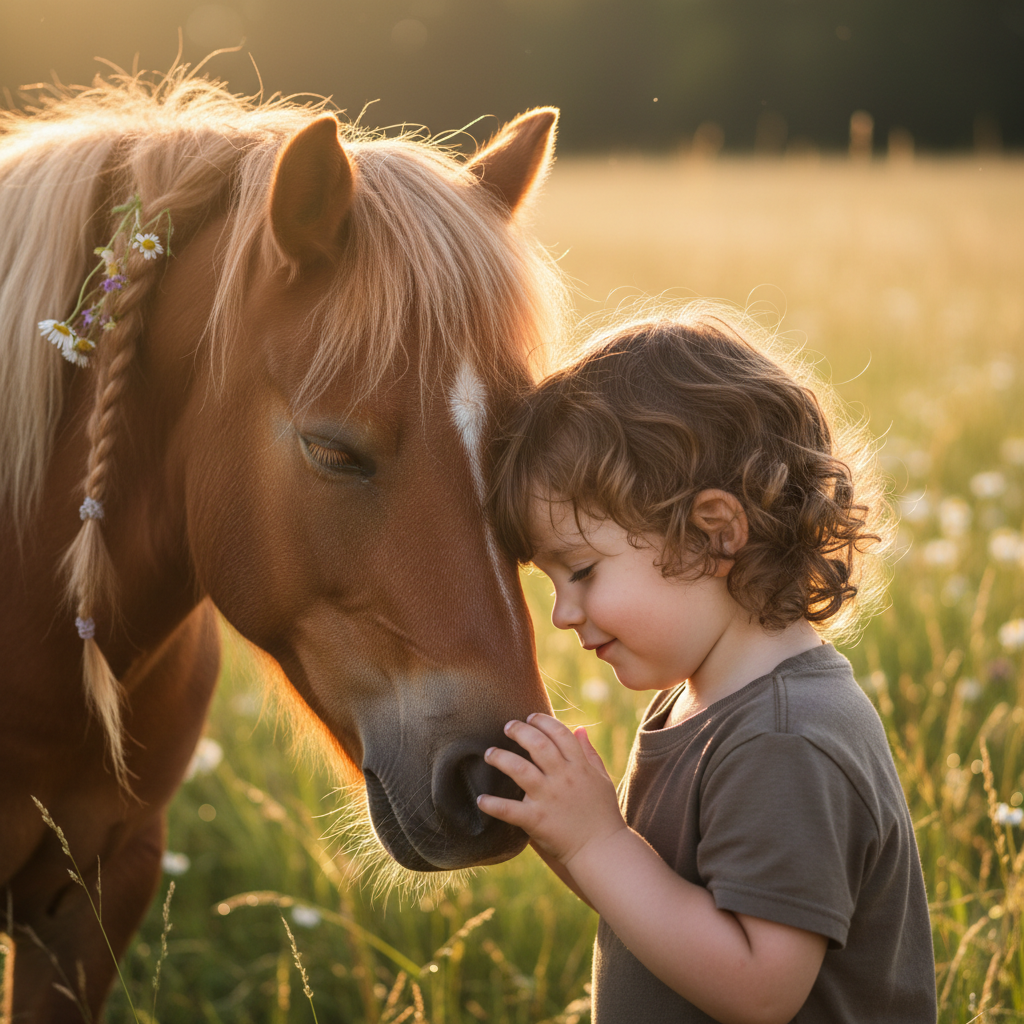
Where kids and
horses meet.
Grooming before riding. Trust before speed. Real horsemanship for children who are ready to learn — and families who are ready to watch them grow.
Your child's second home
Hover over each building to discover what happens there. Every corner of Canter is designed for curious kids and reassured parents.
Hover or tap each dot to explore · Illustrated map, not to scale
Four stations.
One continuous journey.
Every child starts at the station that matches their age and confidence — not their experience. Each builds directly on the last. Click "What Your Child Learns" to see the real pedagogy behind every skill.
Grooming & Safety
Before you ride, you care.
What your child does every session
- Brush mane and coat from neck to tail — learning the horse's anatomy as they go
- Pick hooves with guidance — understanding why hoof care matters
- Learn "horse language": ear position, tail swishing, and what a relaxed horse looks like
- Lead a pony from stall to ring on a slack lead rope
Grooming builds trust between child and horse before any movement begins. A child who has brushed a horse's coat, looked into its eye, and felt its breath on their palm is no longer a stranger — and horses respond to that. It also teaches proprioception: children learn their own body's proximity and pressure by feeling the horse respond.
Every session begins with a helmet fit check and a "safety circle" — a 6-foot zone around a horse's hindquarters that we teach as a reflex, not a rule. By week three, children correct each other instinctively. Our instructor-to-student ratio is 1:3 for this level.
This station was designed for exactly that child. We start with the most predictable, gentle horses in our herd — often our oldest mares, who have been with us for years. There is no pressure to ride. Some children spend two full sessions just grooming, and that is a complete success.
Walk & Steer
First steps in the saddle.
What your child does every session
- Mount and dismount independently using a mounting block — no help after week two
- Hold reins in two-point contact and feel the difference between soft and stiff hands
- Steer a 20-meter circle in both directions using leg and rein together
- Learn to halt by breathing out and sitting tall — not by pulling
Horses respond to weight, breath, and muscle tension — not words. A child who learns to halt by exhaling and softening their seat is learning that their body communicates constantly. This builds emotional regulation: children who can calm a horse can begin to recognize what calm feels like in themselves.
Each child has a simple "trail card" — a laminated card with 8 skill checkboxes for their level. When they complete all 8, they graduate to the next station. Parents receive a photo of the completed card. No grades, no pressure — just a clear, visible journey.
No account · No payment now · 3 steps
Trot & Balance
Finding rhythm with a living partner.
What your child does every session
- Post the trot: rise and sit in rhythm with the horse's diagonal pairs
- Two-point position over ground poles — beginning the feel of jumping
- Ride without stirrups for 5 minutes per session — building independent seat
- Introduce "outside rein" concept: understanding how horses actually bend
Posting trot is the first time a child must match their movement to a rhythm they did not create — the horse's. It demands core engagement, hip flexibility, and timing. Children who master posting trot have developed the proprioceptive awareness that underlies every sport and physical activity they will ever do.
Fear at trot is completely normal and we never rush it. We introduce trot on a lunge line first — the instructor controls the horse while the child focuses entirely on balance. This removes the steering task and lets the child experience the rhythm safely. Most children are posting independently within three sessions.
At this station, children begin taking ownership of their horse's post-ride care: untacking, a brief curry, and returning equipment to its proper place. This is not chores — it is the continuation of the relationship. A child who cares for a horse after working it understands reciprocity in a visceral way.
Canter & Confidence
Mud on boots. Grins splitting helmets.
What your child does every session
- Correct canter depart on the right and left lead — understanding the footfall sequence
- Canter a 20-meter circle maintaining rhythm and bend through corners
- Introduction to cross-rails: approach, release, and landing position
- Ride a simple 4-jump course with a plan — thinking two fences ahead
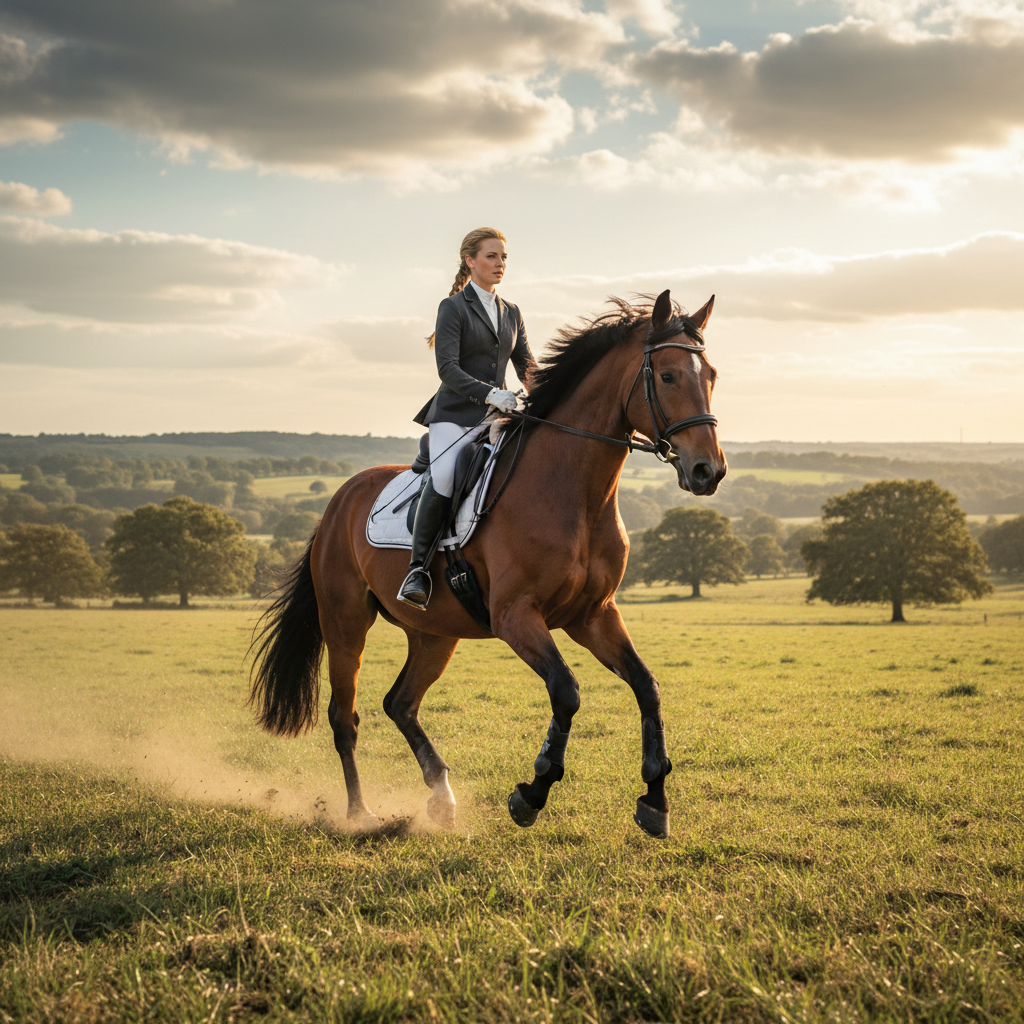
Canter is a three-beat gait with a moment of suspension — all four feet briefly off the ground. For children, this is their first experience of genuine speed and power under them. Learning to stay soft, balanced, and connected at canter is a major confidence milestone. It is also simply thrilling, and we never pretend otherwise.
Riders at this station have demonstrated independent balance and emergency stop skills at trot before any canter work begins. All jumping is introduced over ground poles, then cross-rails never exceeding 18 inches. We use ASTM-certified helmets and require half-chaps or paddock boots. Our ring footing is maintained weekly.
Jumping teaches commitment. A horse and rider must agree to jump together — hesitation produces a refusal. Children who learn to ride to a fence with a plan and follow through are learning to commit to a decision under time pressure and trust their preparation. That skill travels far beyond the ring.
No account · No payment now · 3 steps
What families are saying
"Lily walked in terrified and walked out asking if she could come back tomorrow. The instructors never rushed her — they just let her be with the horse until she was ready."
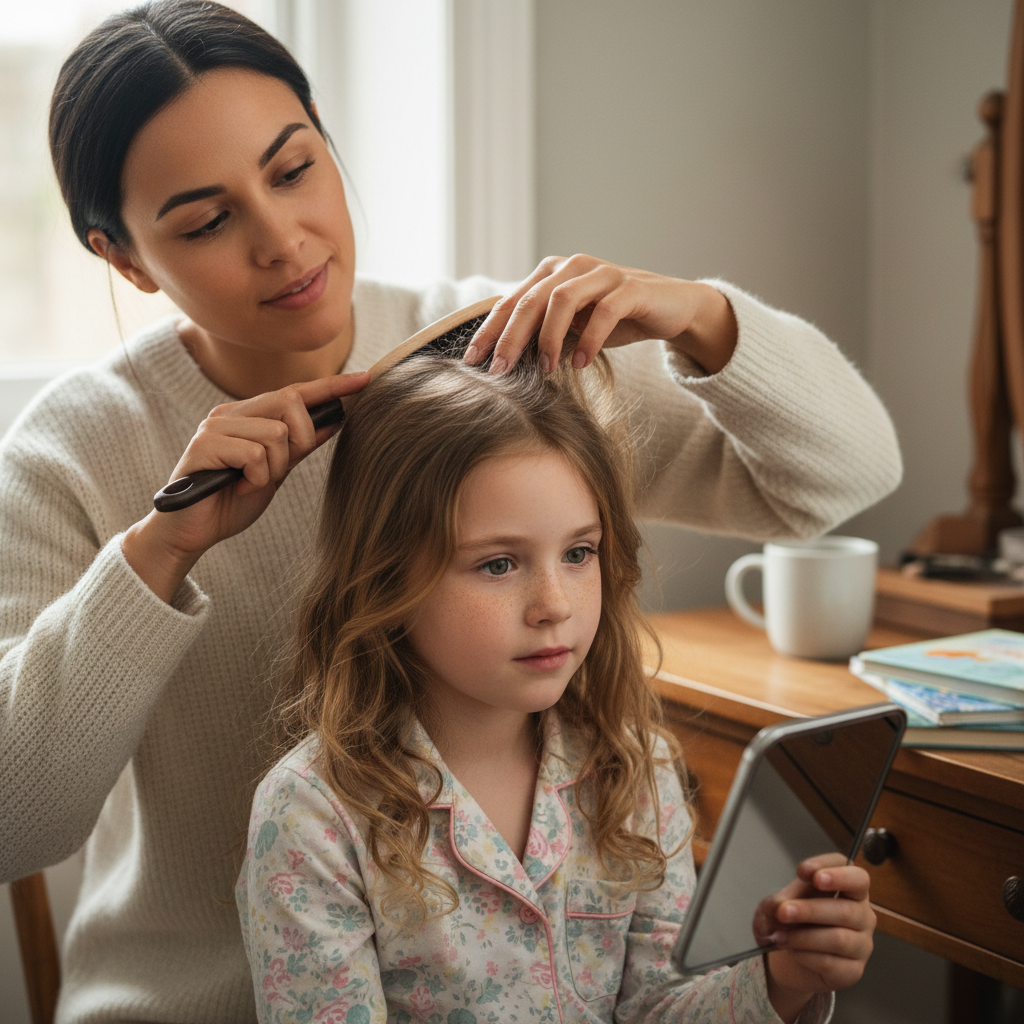
"My son has ADHD and struggles with screens. After three Saturdays at Canter he told me horses 'listen with their whole body.' That's not something I could have taught him."
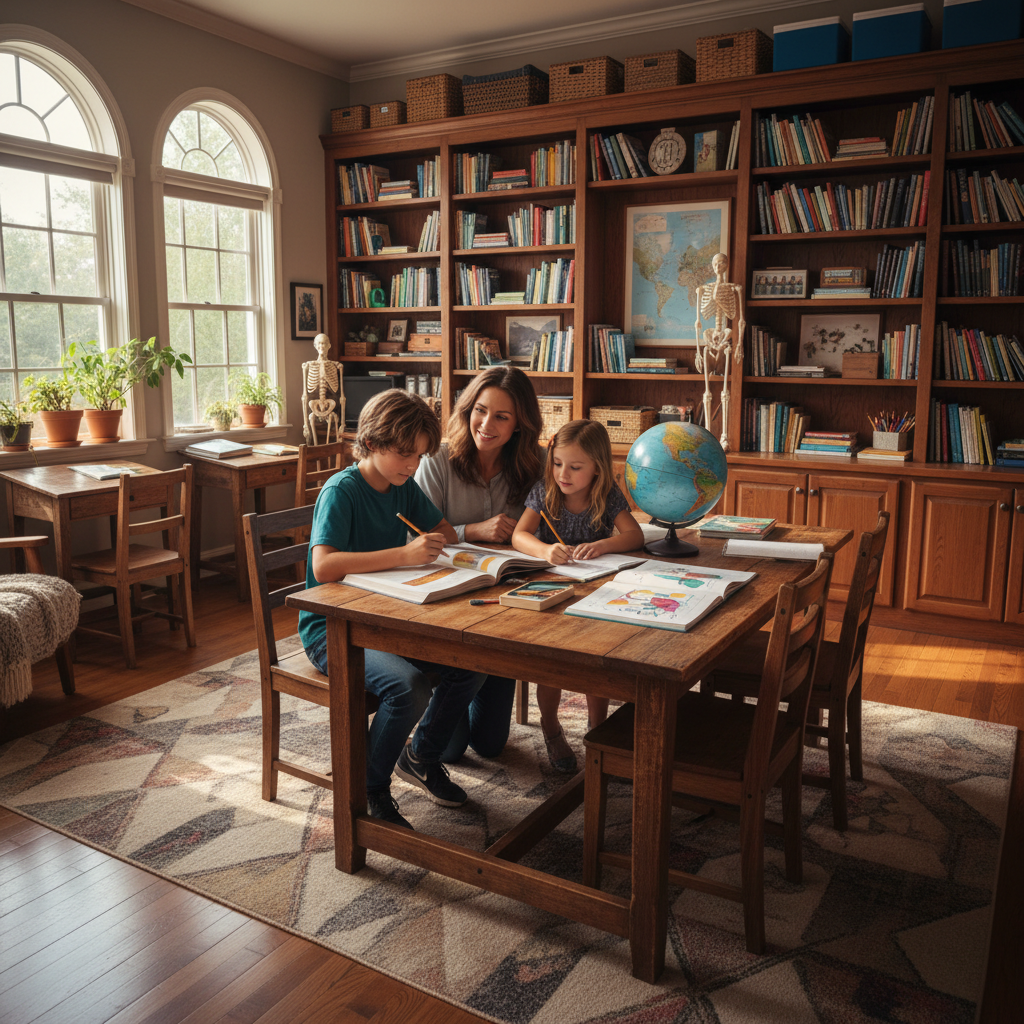
"We're a homeschool family and use Canter as part of our life-skills curriculum. The responsibility of caring for an animal before riding it — that's a lesson that sticks."
"My daughter cantered her first cross-rail last month. She came home with mud on her boots and the biggest smile I've seen in years. Worth every penny."
The first ride is
the one they'll talk about
for weeks.
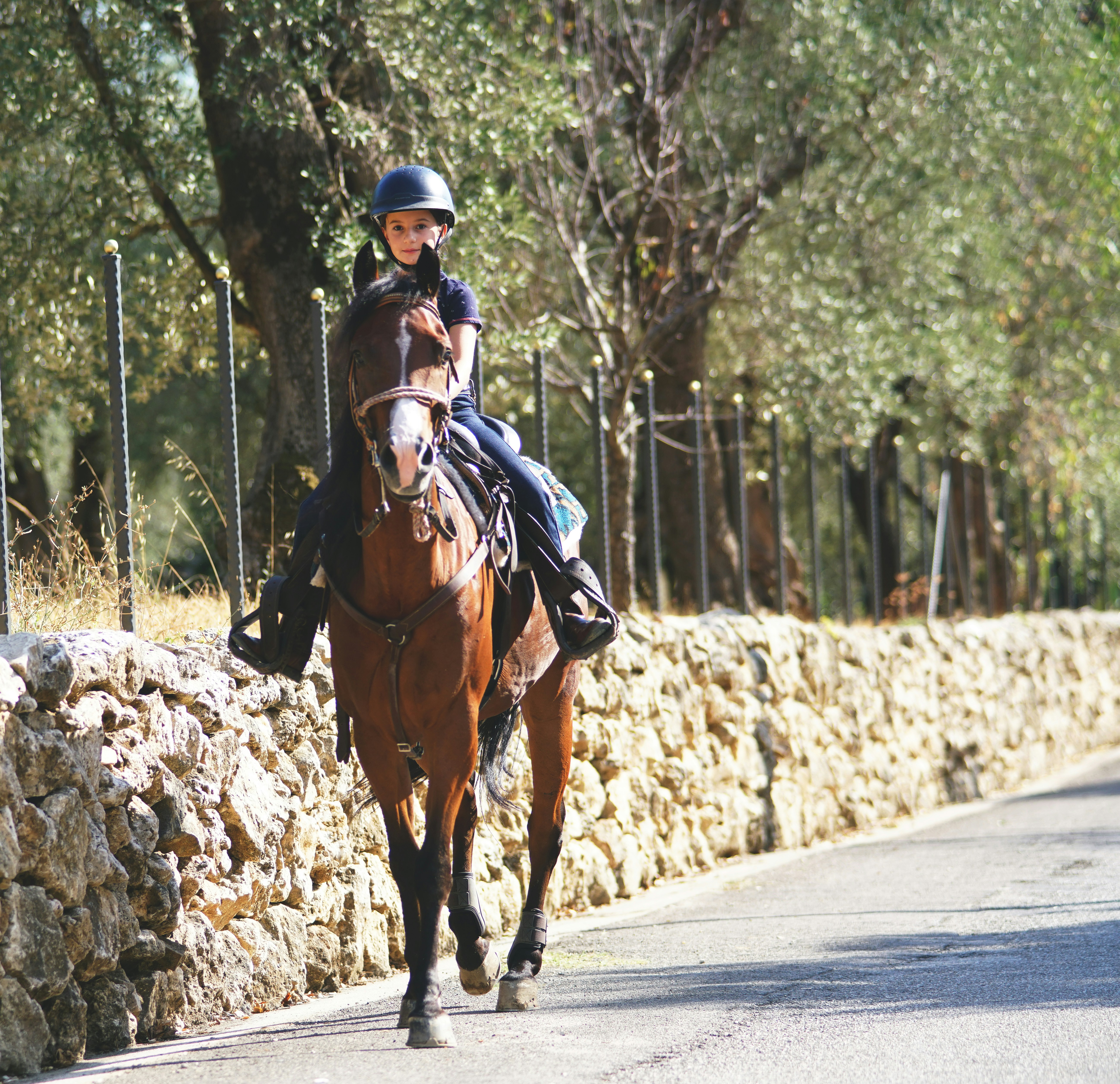
A Discovery Ride is a 45-minute introductory session — grooming, meeting your horse, and your first time in the saddle. No experience required. No commitment after.
Reserve Your Spot
3 steps · No account · No payment now
How old is your rider?
We match every child to the right horse and program level.
Not quite ready to book?
Download our free Parent Guide — what to wear, what to expect, and how we match horses to beginners. 12 pages, plain language, no fluff.
No spam, ever. Unsubscribe with one click.
A Saturday they'll
never forget.
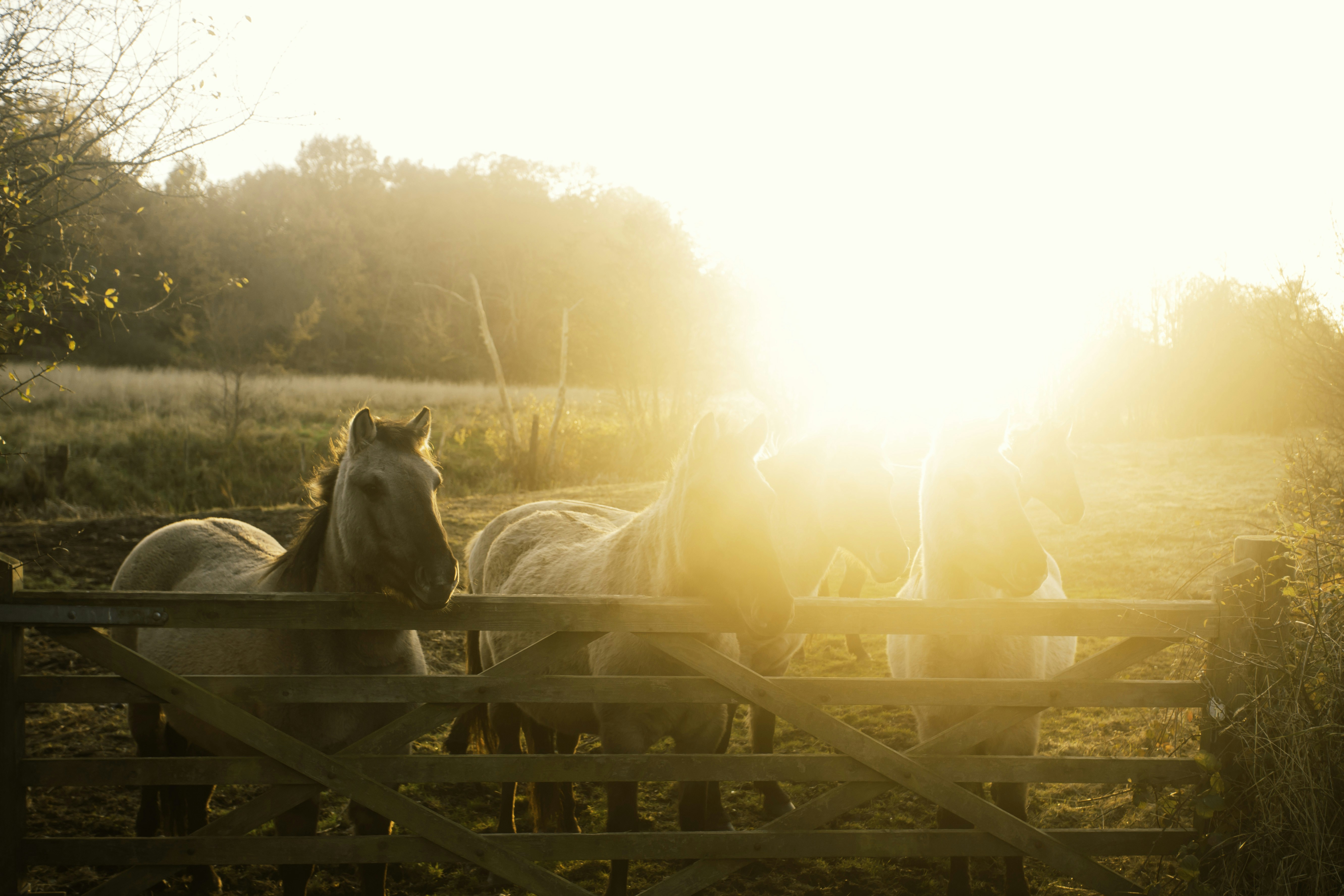
The forehead-against-nose moment. The first step of a walk. The mud on the boots after a canter. It all starts with one Discovery Ride.